

PUBLIC TOURS
BRINGING TOGETHER STREET-LEVEL EXPERIENCE AND DEEP LOCAL KNOWLEDGE TO REVEAL THE CITY IN CONTEXT
GO BEYOND SIGHTSEEING
WAYS TO WALK THE CITY
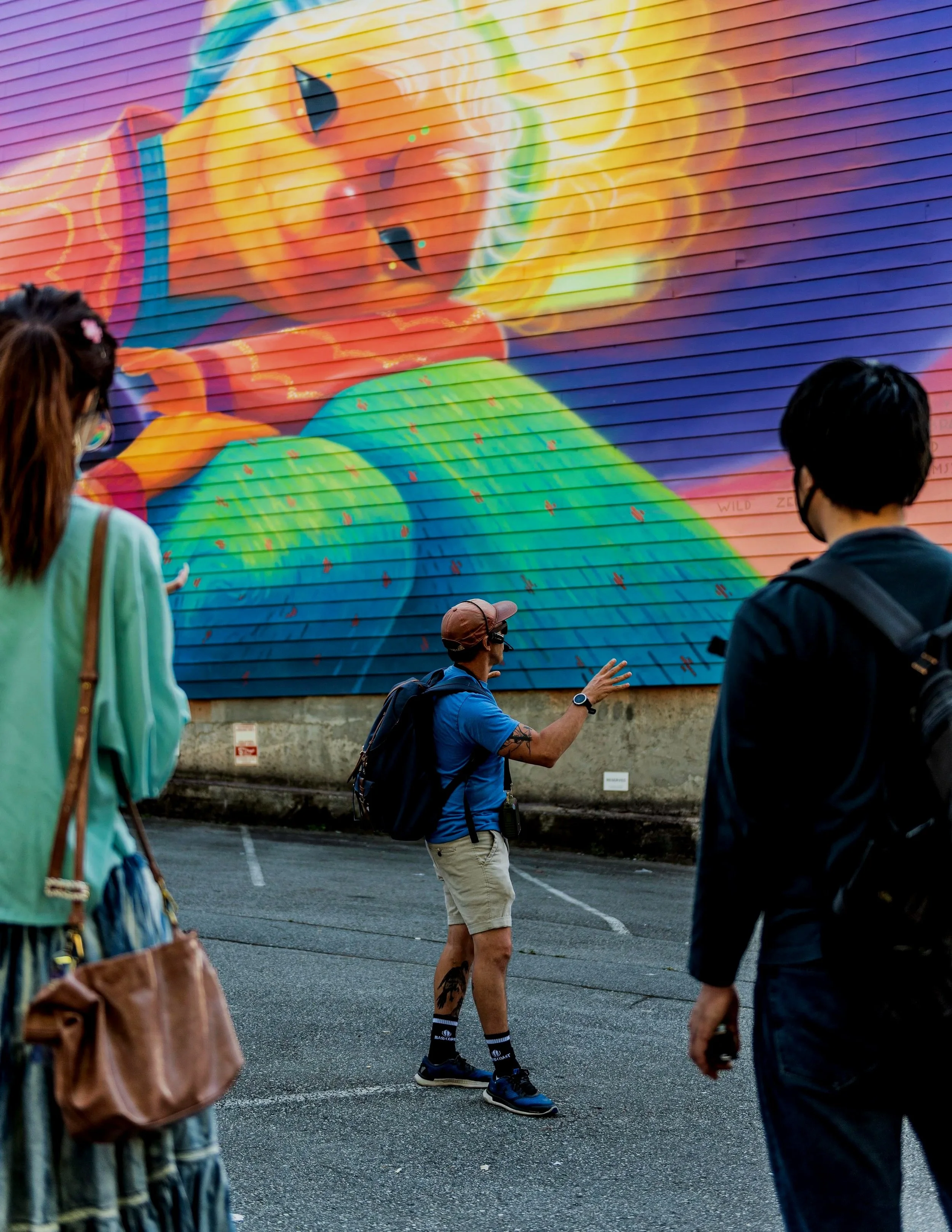
MOUNT PLEASANT STREET & MURAL TOUR
Behind-the-scenes stories of Vancouver’s street art, artists, and the visual storytelling of Vancouver’s creative cultures
-
Most mural tours focus on what you see. We focus on why it’s there. As the official guide of the Vancouver Mural Festival, we bring insider knowledge from curators, artists, and organizers to go beyond surface-level appreciation to explore the social, logistical, and creative processes behind Vancouver’s public art.
-
Indigenous artists and voices woven throughout the neighbourhood
Styles ranging from abstract and figurative to graffiti and experimental work
Behind-the-scenes insight into the 300+ murals created since 2016
Leave with a rich sense of how murals are made, who makes them, and how they fit into the broader socio-economic story of the neighbourhood.
-
Duration: 2 Hours
Cost: Public tours are free. They operate on tips and require a reserved spot is required to join
Planning for a group? Request a private tour →
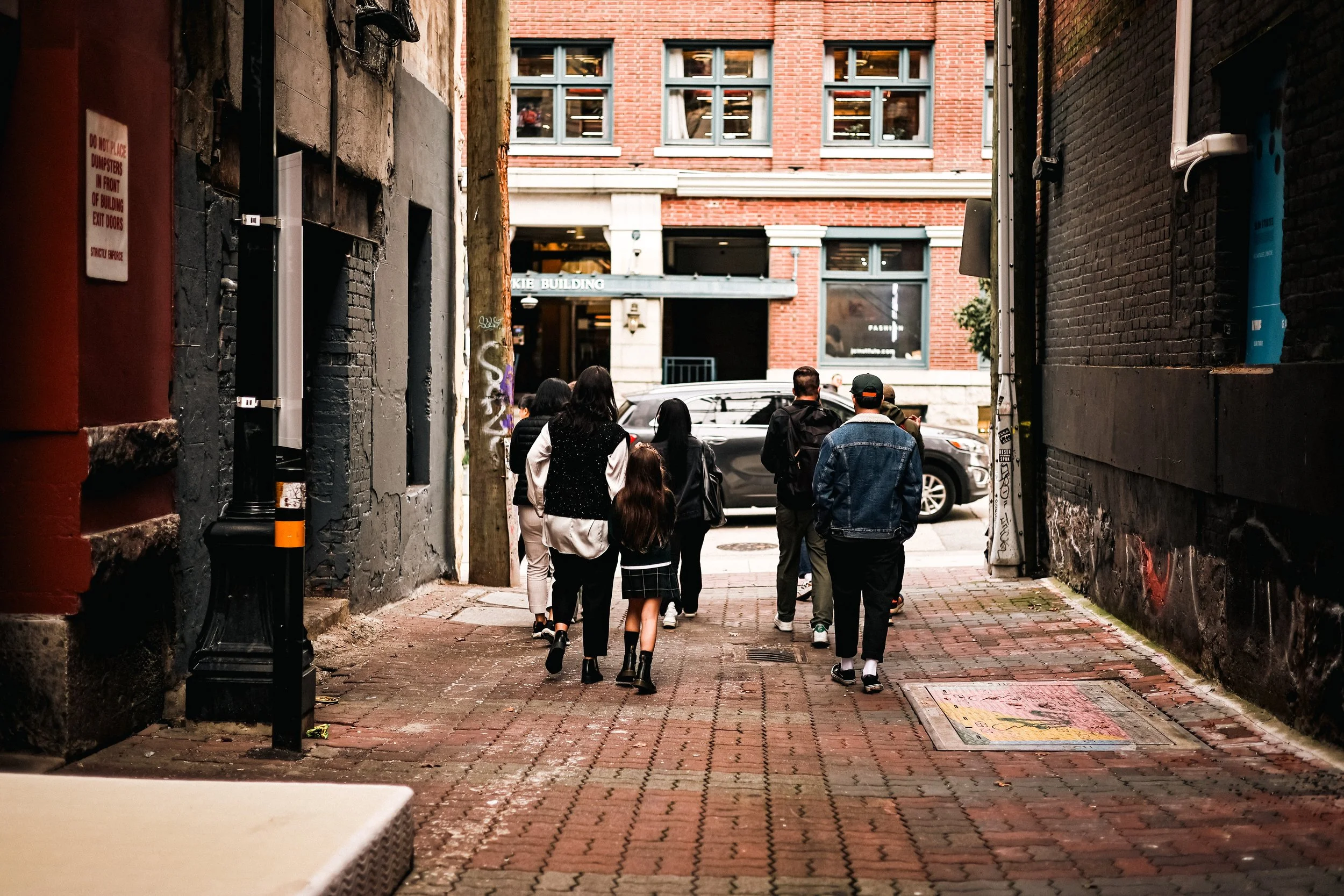
GASTOWN: A PEOPLE’S HISTORY TOUR
Explore Vancouver’s historic core through social history, urban planning, and the urban forces that shaped the neighbourhood.
-
A People’s History of Gastown is a ground‑level exploration of the neighbourhood that goes far beyond the steam clock and cobblestone charm. This tour traces the lives, struggles, and movements of the people who built—and continue to reshape—Gastown. It’s designed for those who want a deeper, more nuanced understanding of the area, connecting iconic landmarks to the social, political, and cultural forces that have defined them.
-
Layered history — Explore the neighbourhood through multiple lenses: the Coast Salish coastline, working‑class roots, counterculture movements, and the forces of gentrification vs revitalization.
People‑centered storytelling — Learn about the individuals and communities whose stories rarely make it into conventional tours.
Present‑day context — Understand how historical patterns shape current issues like housing, policing, and public space.
Beyond sightseeing — Move past postcard views to uncover the neighbourhood’s lived realities and ongoing transformations.
-
Duration: 2 Hours
Cost: Public tours are free. They operate on tips and require a reserved spot is required to join
Planning for a group? Request a private tour →